
Detox Pathways
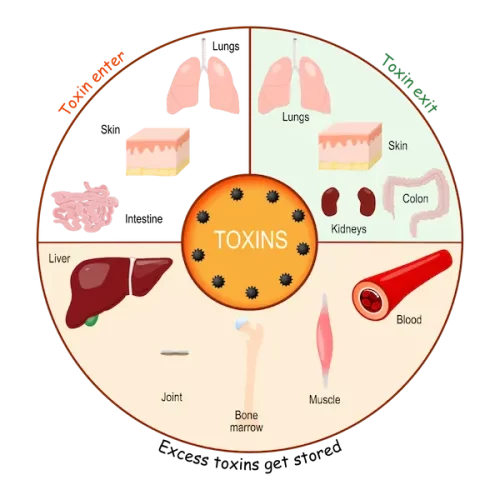
Detoxification is one of the body’s most important functions. It’s a built-in system that works to eliminate the toxins, waste products, and harmful substances. Every day, we are exposed to a growing cocktail of environmental toxins from the air we breathe, the water we drink, and the food we eat.
Pesticides, heavy metals, plastics, mold toxins, and industrial pollutants enter our bodies through various routes, and if they aren’t eliminated, they accumulate in tissues and disrupt critical functions in our body.
While the human body is designed to detoxify naturally, modern toxin exposure is at an all-time high, making it harder for our detox pathways to keep up. When these detox pathways become overloaded, toxins recirculate instead of being excreted, leading to fatigue, brain fog, skin issues, gut problems, immune dysfunction, and inflammation. Supporting detoxification is no longer optional. It’s required for maintaining health, reducing chronic illness, and allowing the body to heal.
How Detoxification Works
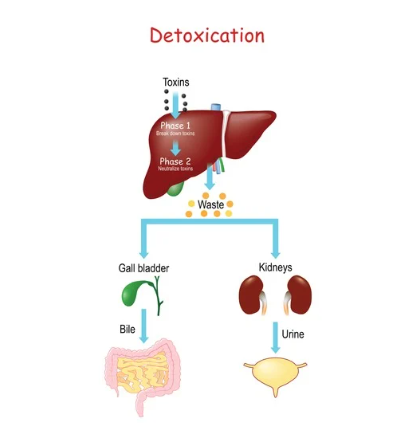
The detoxification process is complex, involving multiple organs and systems that have to work together to neutralize and eliminate toxins. This process occurs in three main phases:
Phase I | Activation – Making Toxins Water-Soluble
This first step takes place in the liver, where enzymes (mainly cytochrome P450) convert fat-soluble toxins into intermediate forms that can be processed. These intermediates are often more reactive, and potentially more harmful, than the original toxins. If the body does not transition efficiently into Phase 2, these toxic byproducts can accumulate, leading to oxidative stress, cellular damage, and inflammation.
What can go wrong?
- If Phase 1 outpaces Phase 2, toxic intermediates can build up and trigger detox symptoms like headaches, fatigue, brain fog, and joint pain.
- Toxin exposure overloads the system, leading to DNA damage and immune dysfunction.
How to support Phase 1:
- Antioxidants (Vitamin C, E, Glutathione, NAC) – help neutralize toxic byproducts.
- B Vitamins (B2, B6, B12, Folate, Choline) – support liver enzyme activity.
- Curcumin, green tea, rosemary – protect the liver from oxidative stress.
Phase 2 | Conjugation – Neutralizing & Preparing Toxins for Elimination
In Phase 2, the liver attaches molecules to the reactive intermediates from Phase 1, making them less toxic and easier to excrete. This is done through several pathways:
- Methylation – requires B vitamins, magnesium, and SAMe.
- Glutathione Conjugation – uses glutathione to neutralize heavy metals & mold toxins.
- Sulfation – depends on sulfur-rich foods like garlic, onions, and eggs.
What can go wrong?
- If methylation is impaired (common with MTHFR mutations), detox slows down.
- Low glutathione levels leave the body vulnerable to heavy metals and oxidative stress.
- Poor diet (low in amino acids & sulfur) leads to inefficient toxin processing.
How to support Phase 2:
- Glutathione (liposomal or NAC) to assist in detoxification.
- Methylation nutrients (Methylfolate, B12, Magnesium) for proper function.
- Sulfur-containing foods (eggs, garlic, cruciferous vegetables) to support sulfation.
Phase 3 | Elimination – Removing Toxins from the Body
Once toxins are processed, they must exit the body through stool, urine, sweat, or breath. If elimination is sluggish, toxins can recirculate and get reabsorbed into the bloodstream.
Primary Elimination Pathways:
- Bile & Stool – The liver excretes fat-soluble toxins into bile, which is then eliminated through the stool. Constipation slows this process, allowing toxins to be reabsorbed.
- Urine & Kidneys – Water-soluble toxins are filtered by the kidneys and excreted through urine. Dehydration reduces clearance, concentrating toxins in the body.
- Sweat & Skin – The body releases certain toxins through sweat, but if you rarely sweat, this detox route is underutilized.
- Lungs & Breath – The respiratory system eliminates carbon dioxide and some volatile toxins. Shallow breathing reduces this detox pathway.
How to support Phase 3:
- Drink plenty of clean, filtered water to support kidney function.
- Consume fiber (flaxseeds, psyllium, chia seeds) to bind toxins in the gut.
- Use binders (activated charcoal, chlorella, bentonite clay) to prevent toxin reabsorption.
- Exercise & sauna therapy to enhance sweating and remove stored toxins.
Detoxification Organs & Their Role
- The Liver. The liver is the body’s primary detoxification organ, responsible for processing and neutralizing toxins through the phases of detoxification mentioned above. It also produces bile, which is essential for digesting fats and carrying fat-soluble toxins into the digestive tract for elimination. The Liver requires antioxidants, amino acids, and B vitamins to function optimally.
- The Kidneys. (Filtering Water-Soluble Toxins) The kidneys filter the blood, removing water-soluble toxins and waste products, which are then excreted in the urine. The kidneys need proper hydration and electrolytes to maintain efficient function.
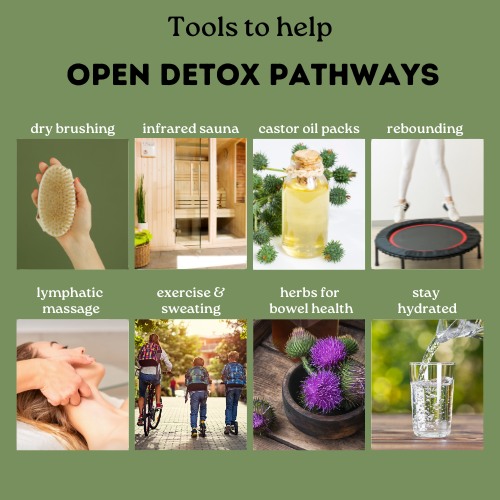
- The Lymphatic System. (The Waste Removal Sytem) The lymphatic system is a network of vessels and nodes that transports lymph fluid, which contains waste products and immune cells throughout the body. Unlike blood circulation, it has no pump and requires movement. Rebounding, dry brushing, and massage can help clear stagnant lymph.
- The Gut. (Preventing Toxin Reabsorption) A healthy gut is essential for detoxification. The gut not only helps to eliminate waste through bowel movements but also plays a role in supporting the immune system and preventing the reabsorption of toxins back into the bloodstream. A healthy microbiome helps metabolize toxins before elimination. Probiotics, fiber and bile support optimize gut detox.
- The Skin. (Detox through Sweat) The skin is our largest organ and can be the primary route of detoxification of heavy metals. Through sweat, the body can expel toxins, which is why practices like sweating through exercise, hot baths or using an infrared sauna can support detoxification.
- The Lungs. (Deep Breathing) The lungs are responsible for expelling carbon dioxide and other gaseous toxins from the body. Deep breathing exercises can help enhance lung capacity and support the detoxification process by improving oxygen exchange and promoting the release of toxins.
Supporting Your Detox Pathways
Supporting your body’s detox pathways involves more than just doing an occasional cleanse. It’s about creating daily habits and practices that help your body function optimally.
Here are some strategies to support your detox pathways:
- Stay Hydrated: Water is essential for all phases of detoxification. It helps the kidneys filter toxins and supports the elimination of waste through urine and sweat.
- Eat a Nutrient-Rich Diet: Foods rich in antioxidants, fiber, and essential nutrients like vitamins, minerals, and amino acids provide the building blocks your body needs to process and eliminate toxins.
- Incorporate Detoxifying Herbs: Herbs like milk thistle, dandelion, and burdock root can support liver function, while others like nettle and parsley support kidney health.
- Promote Regular Bowel Movements: Fiber-rich foods, hydration, and probiotics help maintain healthy digestion and regular elimination, preventing toxins from being reabsorbed into the body.
- Sweat Regularly: Exercise, saunas, and other practices that promote sweating help the body eliminate toxins through the skin.
- Deep Breathing: Practice deep breathing exercises to enhance lung function and promote the release of gaseous toxins.
- Lymphatic Support: Activities like dry brushing, massage, and movement can help stimulate lymphatic flow and support detoxification.
The Glymphatic System | Detoxing the Brain While You Sleep
The brain has its own detox system: the glymphatic system. This system works primarily while we sleep to clear out waste products from the brain, including toxins, damaged proteins, and even amyloid plaques, which have been linked to neurodegenerative diseases like Alzheimer’s. Think of it as the brain’s overnight cleaning crew, flushing out metabolic waste, toxins, and inflammatory debris.
Supporting the glymphatic system is just as critical as supporting the liver and kidneys. Deep, restorative sleep, staying hydrated, and reducing inflammation are all ways to ensure your brain’s detox system is functioning at its best. Sleep hygiene, such as creating a relaxing bedtime routine and ensuring you get enough hours of rest, can make a significant difference in your brain’s ability to detoxify.
Living the Detox Life
Detoxification is not a cleanse or one-time event. It’s a continuous process that requires daily habits. By understanding how your body detoxifies and incorporating practices that enhance this natural process, you can help reduce your toxic burden and prevent chronic illness. Supporting your detox pathways is one of the most loving things you can do for your body, allowing it to thrive in a world filled with constant challenges.
Read the Detox | Root Causes page to learn more about why detoxing is so important to our health.