
gut health
When parents first learn about PANS/PANDAS, the focus is usually on infections, inflammation, and the immune system, and rightfully so. But one critical factor is often overlooked (it was for me): gut health. Understanding and supporting gut health is a foundational step in healing PANDAS.
“All disease begins in the gut.”
~Hippocrates
The gut is far more than just a digestive organ. It plays a central role in immune regulation, inflammation control, and brain function. The gut-brain connection is so important that the gut is often referred to as the “second brain.” The gut produces neurotransmitters like serotonin and dopamine which regulates immune activity, and the gut lining serves as a barrier between the body and the outside world.
When the gut is damaged it can:
- Trigger neuroinflammation, worsening OCD, anxiety, and rage episodes.
- Increase immune overactivation, fueling autoimmunity and mast cell activation.
- Disrupt detoxification, leading to toxin buildup that worsens symptoms.
Gut health is one of the most adaptable systems in the body. The gut can be reshaped through the food we eat, the environment we create, and the interventions we choose.
Below we’ll take a look at:
- The gut-brain connection, how the gut directly impacts neurological symptoms.
- Key gut issues in PANS/PANDAS, including leaky gut, microbiome imbalances, and motility dysfunction.
- The main causes of leaky gut, including gluten, mold, infections, glyphosate, and histamine overload.
- What the research says about leaky gut and the development of autoimmune diseases.
The Gut-Brain Connection
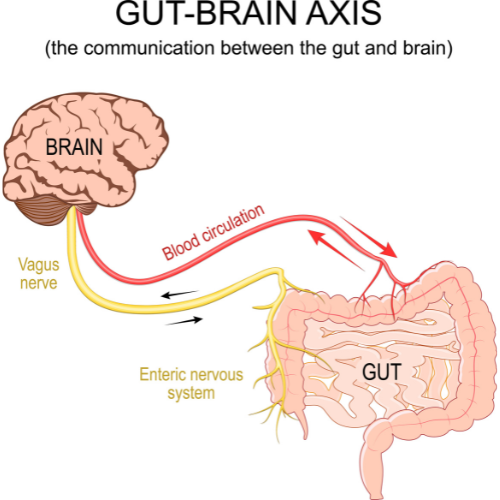
The gut and brain are in constant communication through the gut-brain axis. The gut-brain axis connects the nervous system (via the vagus nerve), the immune system, and hormonal signaling. This allows the gut to directly influence mood, behavior, and inflammation levels. When the gut is inflamed or imbalanced, it can send pro-inflammatory signals to the brain, worsening OCD, anxiety, rage episodes, and brain fog. Addressing gut imbalances can be instrumental in healing PANDAS, as it helps reduce neuroinflammation.
The vagus nerve, a long nerve that runs from the brainstem to the intestines, is an important part of this system. The vagus nerve regulates digestion, inflammation, and the body’s stress response, acting as a bridge between the gut and the brain.
Since the vagus nerve plays a key role in calming the body’s stress response and controlling gut function, inflammation in this area can impair digestion, worsen gut motility, and increase fight-or-flight responses.
An unhealthy gut fuels neurological and immune dysfunction. For children with PANS/PANDAS, gut inflammation can:
- Trigger neuroinflammation, making symptoms like anxiety, OCD, and mood swings worse.
- Dysregulate the autonomic nervous system, leading to issues like POTS, dizziness, dysautonomia or temperature dysregulation.
- Affect neurotransmitter production, disrupting serotonin, dopamine, and GABA levels.
At the same time, brain inflammation and chronic stress can impair gut function, creating a vicious cycle. That’s why focusing on gut health is so important for healing.
Key Gut Issues
1. Leaky Gut & Tight Junction Dysfunction
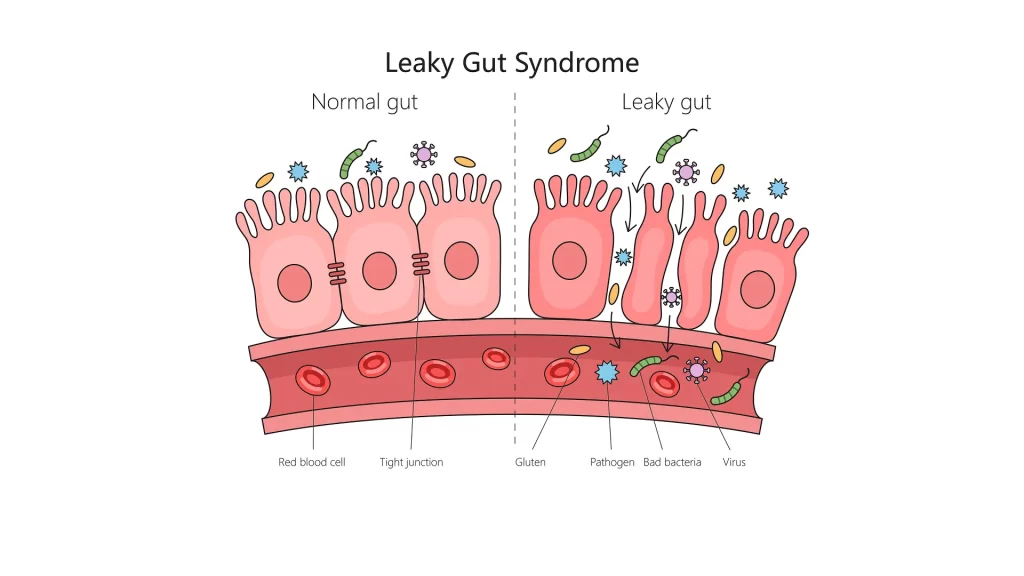
The intestinal lining is a protective barrier between the outside world and the bloodstream. It allows beneficial nutrients to be absorbed while blocking harmful toxins, large undigested food particles, and pathogens. The barrier is held together by “tight junctions”, specialized proteins that regulate what passes between gut cells.
When these tight junctions become loose or damaged, the barrier weakens allowing harmful substances like toxins, undigested food particles, and bacterial byproducts (LPS endotoxins) to “leak” into the bloodstream. This is known as leaky gut or intestinal permeability.
What happens when the gut becomes leaky?
- Toxins and bacterial byproducts (like LPS endotoxins) enter circulation, triggering an inflammatory immune response.
- The immune system mistakenly reacts to food particles as threats, increasing food sensitivities.
- Inflammatory cytokines spread throughout the body, worsening brain inflammation, mast cell activation, and autoimmune reactions.
Leaky Gut is a Necessary Precondition to Develop Autoimmunity
Dr. Alessio Fasano, a leading researcher in gut health, has changed our understanding of how autoimmune diseases develop. In his 2011 study, he found that leaky gut isn’t just a side effect of chronic illness, it’s a prerequisite for autoimmune disease. Meaning if someone has an autoimmune condition they almost certainly have some level of intestinal permeability.
Dr. Fasano’s “Three-Legged Stool” of Autoimmunity identifies three components that must be present for autoimmune diseases to develop.
1. Genetic Predisposition. A person must have a genetic susceptibility
2. Environmental Triggers. Infections, toxins, mold, stress, and dietary factors
3. Leaky Gut. A damaged gut barrier allows inflammatory molecules to enter the bloodstream, triggering an immune response
Genetics alone are not enough to trigger autoimmunity. Without environmental factors and leaky gut, it may never develop. This also means that healing the gut could be one of the most effective strategies for reducing autoimmune activity.
If a child has leaky gut, it could not only trigger autoimmunity, it could prevent healing by allowing a continuous influx of inflammatory triggers into the bloodstream, keeping the immune system in a heightened state and leading to persistent flares. Repairing the intestinal barrier is essential for healing PANDAS naturally, as it prevents the continuous triggering of the immune system.
2. Gut Microbiome Imbalance & Brain Inflammation
The gut is home to trillions of bacteria, viruses, and fungi, known as the gut microbiome. These microbes play a critical role in digestion, immune regulation, detoxification, and neurotransmitter production. When the gut microbiome is balanced, it supports overall health. But when harmful bacteria outnumber beneficial ones, a condition known as dysbiosis, it can fuel inflammation and contribute to neurological and immune dysfunction.
How Gut Imbalances Fuel Brain Inflammation
The gut microbiome is directly linked to brain function and immune regulation through the gut-brain axis. When dysbiosis occurs:
- Inflammatory cytokines are released – Certain bacteria produce lipopolysaccharides (LPS endotoxins), which can cross the gut barrier and enter the bloodstream. These toxins trigger an immune response that increases neuroinflammation, worsening symptoms like anxiety, OCD, rage, and sensory sensitivities in PANS/PANDAS.
- Harmful microbes produce neurotoxins – Some bacteria, such as Clostridia species, release compounds that disrupt dopamine metabolism, leading to aggression, irritability, and emotional instability.
- Histamine-producing bacteria increase immune activation – Certain gut bacteria produce excess histamine, which can overstimulate the nervous system, leading to mast cell activation, anxiety, and sleep disturbances.
- The gut loses its ability to regulate immune balance – A healthy gut microbiome helps “train” the immune system, promoting immune tolerance. When dysbiosis occurs, immune dysregulation and autoimmunity are more likely.
Biofilms | Hidden Roadblocks
Biofilms are protective “shields” created by bacteria, fungi, and parasites. Think of them like a slimy shield. They allow pathogens to hide from the immune system and resist both antimicrobial herbs and pharmaceutical treatments.
In children with PANS/PANDAS, chronic infections like Lyme, Bartonella, or Candida can form thick biofilms in the gut lining and other tissues. These biofilms can become a breeding ground for pathogenic microbes while keeping the immune system blind to their presence.
What does this mean for your child?
You can be doing “all the right things” like diet changes, probiotics, antimicrobials, and still not see progress, because the infections are hiding behind the biofilm. Biofilms must be gently broken down to allow antimicrobial herbs or medications to reach their target and to allow the immune system to respond appropriately.
Supporting Biofilm Breakdown
Certain natural agents can help dissolve biofilms. These include:
Enzymes like nattokinase, serrapeptase, or lumbrokinase
Herbs like oregano oil, berberine, and neem (often combined in antimicrobial protocols)
EDTA or binders to pull out metals that stabilize biofilm structure
It’s important to start slowly. Breaking apart biofilms can lead to the release of stored toxins and microbial debris, which may cause “Herx” reactions or temporary worsening of symptoms. Support detox pathways and go low and slow.
3. Motility & Peristalsis
Proper intestinal motility ensures food moves through the digestive tract at the right speed, slow enough to allow for proper nutrient absorption, but fast enough to prevent stagnant waste and toxins from accumulating. This process is controlled by peristalsis, the rhythmic contraction of muscles that propels food forward through the digestive tract to elimination.
When gut motility is too slow, it leads to
- Small Intestinal Bacterial Overgrowth (SIBO) and dysbiosis
- Toxin reabsorption (toxins your body was trying to eliminate end up being reabsorbed into your tissue)
Poor gut motility in children with neuroimmune conditions could be caused by:
- Nervous System Dysregulation (“Fight-or-Flight” Mode) – Chronic stress, trauma, and limbic system dysfunction (common in PANS/PANDAS) weaken the rest-and-digest response, slowing peristalsis.
- Chronic Infections (Lyme, Bartonella, Viruses) – These infections produce inflammatory cytokines that interfere with gut motility and contribute to dysbiosis.
- Mold Toxins & Vagus Nerve Dysfunction – Mycotoxins inflame the vagus nerve, disrupting the gut-brain connection and further impairing digestion.
- Low Stomach Acid & Digestive Enzyme Deficiency – The body prioritizes survival over digestion. The parasympathetic nervous system (“rest-and-digest”) is responsible for producing stomach acid, digestive enzymes, and bile. But when a child is in chronic fight-or-flight mode, these functions slow down or shut off. Frequent antibiotic use can kill beneficial bacteria that help stimulate stomach acid and enzyme release.
4. Intestinal Absorption & Nutrient Deficiencies
The small intestine is where most nutrient absorption happens, but only if the gut lining is healthy. The small intestine is lined with with specialized cells and microscopic finger-like projections called villi and microvilli, which are responsible for breaking down food and extracting essential vitamins, minerals, and other nutrients. But, when the gut lining becomes inflamed or damaged, these villi do not work as well. That means fewer nutrients are absorbed, even with a healthy diet, impacting everything from mood and cognition to immunity and detox.
Chronic inflammation and infections can also increase the body’s demand for vitamins and minerals, making it even harder to maintain sufficient levels.
For children with PANS/PANDAS, MCAS, Lyme, or mold toxicity, this nutrient depletion can exacerbate underlying issues and symptoms. If the gut is inflamed, no amount of dietary changes or supplements will help until the gut lining is repaired.
Most Common Causes of Leaky Gut & Gut Issues
1. The Case Against Gluten
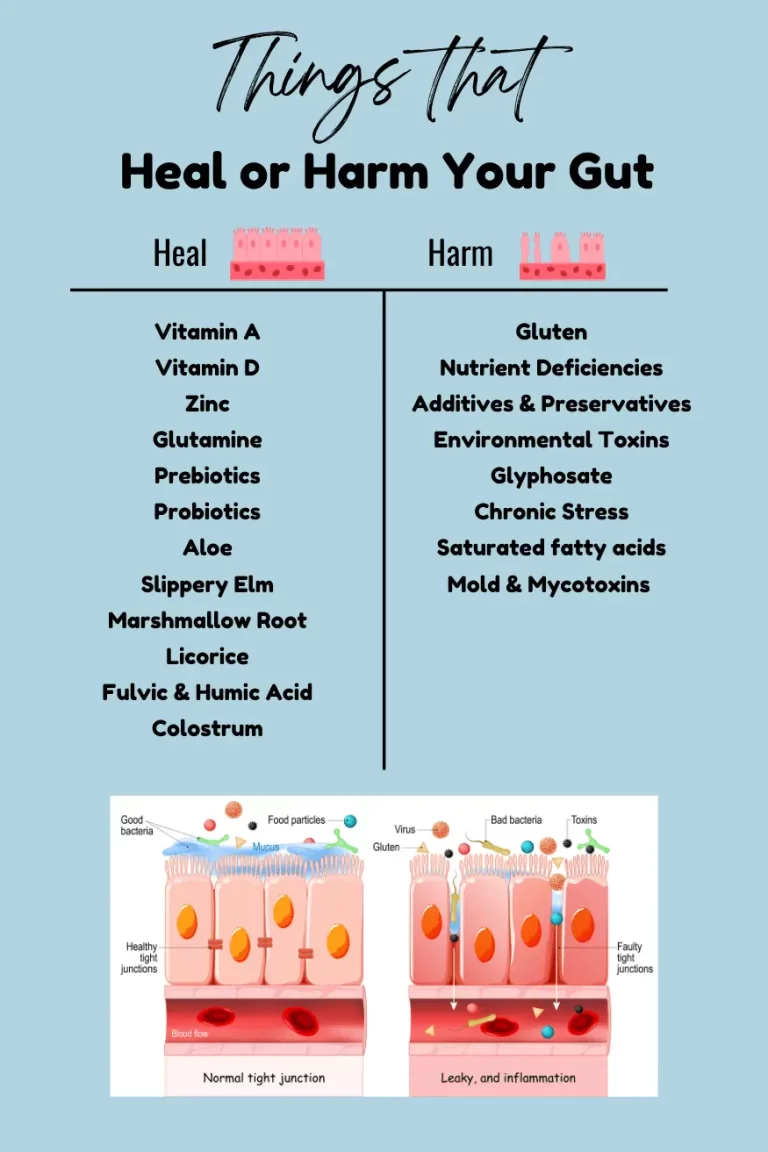
For many individuals, gluten is a major trigger that can worsen leaky gut, fuel inflammation, and intensify the devastating neurological symptoms of PANS. And here’s what’s important for parents to understand: you don’t need a Celiac diagnosis for gluten to be causing harm.
So what happens when our children eat gluten?
Gluten contains a protein called gliadin, when gliadin enters the gut, it triggers the release of zonulin. Zonulin is a regulator of the tight junctions that keep the intestinal walls from allowing toxins to pass into the bloodstream. When there’s too much zonulin, the tight junctions between gut cells loosen, creating tiny gaps where they shouldn’t be.
Through these gaps, undigested food particles, harmful bacteria, toxins, and inflammatory molecules, can escape into the bloodstream. The body recognizes these as foreign invaders and launches an immune attack. For children already battling PANS/PANDAS, this adds fuel to an already raging fire, overloading their immune system, disrupting brain chemistry, and feeding the chronic inflammation that drives their symptoms.
Dr. Fasano’s research confirms that elevated zonulin levels are strongly linked to autoimmune diseases, and removing gluten can help restore the gut lining.
2. Mold
Mold and mycotoxin exposure is often overlooked in children with PANS/PANDAS, and other inflammatory conditions, but it can wreak havoc on the gut lining, triggering immune activation and systemic inflammation.
Beyond direct damage to the gut barrier, mold toxins also suppress secretory IgA (IgA), an important part of the immune system that helps defend the gut against harmful microbes. When IgA levels drop, the gut becomes more vulnerable to infections and overgrowths, allowing opportunistic pathogens like Candida and harmful bacteria to thrive. Read the Root Causes | Mold guide to learn more about how toxic mold is to our bodies.
3. Chronic Infections
Bacterial infections, particularly Lyme disease and Bartonella, release lipopolysaccharides (LPS), also known as endotoxins, which can trigger immune activation, weaken tight junctions, and contribute to leaky gut. These bacterial toxins increase systemic inflammation, not only harming the gut but also crossing the blood-brain barrier, worsening neurological symptoms like anxiety, OCD, brain fog, and mood instability.
Viral infections, such as Epstein-Barr Virus (EBV) and Human Herpesvirus 6 (HHV-6), further contribute to gut dysfunction by increasing oxidative stress and disrupting mitochondrial function. These viruses can become reactivated in times of stress or immune suppression, keeping the body in a constant inflammatory state and preventing the gut from healing properly. Read the Root Causes | Infections guide to learn more about the role chronic infections play in PANS/PANDAS and other autoimmune diseases.
4. Glyphosate
Glyphosate has contaminated our food supply. This chemical weed-killer is now found in everything from our breakfast cereals to our drinking water, and its effects on our health are more profound than most realize.
Glyphosate Was Patented as an Antibiotic
Did you know? Glyphosate was originally patented as an antibiotic, and it acts just like one inside our bodies. It kills the beneficial bacteria we need (like Lactobacillus and Bifidobacterium) while allowing harmful bacteria (like Clostridia and Salmonella) to thrive. This imbalance creates the perfect storm for gut inflammation, leaky gut, and histamine overload.
Destroys Good Bacteria, Allows Harmful Ones to Thrive
Our gut bacteria do more than just assist with digestion. They’re responsible for creating neurotransmitters that regulate our children’s mood, focus, and emotional stability. When glyphosate damages these bacteria, we often see worsening anxiety, OCD behaviors, irritability, and brain fog.
The Wheat Connection
Farmers often spray wheat with glyphosate right before harvest, a process called “desiccation,” to speed up drying and make harvesting easier. This means wheat is one of the most heavily contaminated crops, and glyphosate residues are often highest in conventional wheat-based products like bread, crackers, and breakfast cereals.
Even some organic wheat can contain trace amounts of glyphosate due to environmental drift, water contamination, or processing equipment. For children with PANS/PANDAS, this creates a double hit: gluten, which can already increase zonulin and intestinal permeability, plus glyphosate, which damages the microbiome and detox pathways. Many families see dramatic improvements when they remove both gluten and glyphosate-contaminated grains from the diet.
This doesn’t mean every child needs to be permanently grain-free, but for those in the middle of a flare or healing from mold and immune dysregulation, a clean, anti-inflammatory diet can dramatically reduce symptom intensity and help the gut finally begin to repair.
Read more about the devastating impacts of glyphosate on our health in the Root Causes | Detox guide.
🎧 Podcast Recommendations: How Glyphosate and Soil Health Affects Our Health.
5. Environmental Factors
Environmental toxins such as heavy metals (lead, mercury, aluminum), chemicals (BPA, phthalates, PFAS), chronic stress, and EMFs can weaken the gut barrier and contribute to leaky gut.
- Heavy metals disrupt the gut microbiome, increase oxidative stress, and interfere with digestion, making the gut more vulnerable to inflammation.
- Plastics, food additives, and industrial chemicals act as endocrine disruptors and can alter gut bacteria, further impairing intestinal integrity.
- Chronic stress and trauma activate the fight-or-flight response, reducing stomach acid, enzyme production, and slowing gut motility, which worsens permeability.
- Emerging research also suggests that chronic EMF exposure may alter gut bacteria, increase oxidative stress, and contribute to leaky gut.
Simple steps like filtering drinking water, reducing plastic use, managing stress, and improving detoxification can help protect the gut and support overall recovery.
Gut Testing
Functional gut testing can help identify dysbiosis, leaky gut, fungal overgrowth, and impaired detox pathways, allowing for more targeted and personalized treatment. Functional testing can provide clarity, but it’s not necessary to begin gut healing. Many families see improvement using foundational strategies like cleaning up the diet, reducing environmental exposures, and herbal support. But, if there’s no improvement after those interventions, consider additional testing.
Here are the top tests to consider:
- Organic Acids Test (OAT). The Organic Acids Test (OAT) is a urine-based test that takes a comprehensive look at gut health, neurotransmitter metabolism, and mitochondrial function. It is particularly useful for detecting yeast or fungal overgrowth, which can contribute to brain fog, anxiety, and histamine intolerance. It is also very useful for detecting Clostridia toxins, which disrupt dopamine metabolism and are linked to OCD, aggression, and mood instability. It also assesses B vitamin status, important for detoxification, gut repair, and neurotransmitter production. The OAT is considered when there is suspected yeast overgrowth, mood imbalances, mitochondrial dysfunction and neurological symptoms.
- GI-MAP Stool Test. The GI MAP test is a DNA-based stool test that provides a very detailed analysis of the gut microbiome. Unlike conventional stool tests, which rely on culturing bacteria, GI-MAP uses qPCR technology to detect bacterial DNA. The test can detect beneficial and harmful bacteria, parasites, fungal overgrowth, and markers of gut inflammation. It also measures immune function through secretory IgA levels, as well as markers of leaky gut and gluten sensitivity.
- Gut Zoomer. The Gut Zoomer test evaluates 170+ bacterial species, fungi, viruses, inflammatory markers, and markers of intestinal permeability (such as zonulin and LPS endotoxins). It’s a good option for individuals dealing with histamine intolerance, leaky gut, and microbiome imbalances that contribute to neuroinflammation.
Each of these tests provides unique insights into gut health!
The Takeaway | Healing Begins in the Gut
The gut influences nearly every system involved in this condition: the immune system, the nervous system, detoxification pathways, and the brain itself. If your child is struggling with PANS/PANDAS, don’t underestimate the power of gut healing. It may just be the missing piece you’ve been looking for.
Learn about strategies to begin to repair the gut in the Herbal Guide | Gut.
Read about the 5R Framework for Gut Repair in this post How to Heal Your Leaky Gut Naturally.