Toxin Overload | The Other Pandemic
Our kids are swimming in toxins, and their bodies aren’t built for it.
Your grandmother didn’t have to worry about microplastics in her drinking water, pesticides in her bread, or GMOs in her corn. But we do. And our children’s bodies, still developing, still vulnerable, are struggling under the weight of the toxins they’re carrying.
Today, 1 in 4 children in the U.S. has a chronic illness. 1 in 6 has a neurological disorder. That’s not just genetics. This is a response to something deeper: a mismatch between our biology and our modern environment. It’s our total toxic body burden.
What This Guide Covers
You can’t bubble-wrap your child from every exposure. But you can reduce what’s going into their bucket, and support their body’s ability to clear what’s already there. This post is more educational, but if you are looking for natural detox support for kids, check out the Natural Detox Guide.
What’s inside:
What’s filling your child’s bucket (and why some kids spill over sooner)
How modern toxins disrupt immunity, brain development, and gut function
Why detox isn’t a trend. It’s survival in a chemical world
Safe, gentle ways to support natural detox in children
The goal here is to give you tools to lower the toxic burden, and strengthen your child’s capacity for healing.
Table of Contents
The Toxic Overload in our Children
We live in a world our biology hasn’t caught up to. Our detox systems (liver, kidneys, lymph, skin) were designed to handle some smoke from a fire, not 350,000 synthetic chemicals, microplastics, pesticides, heavy metals, food additives, and EMFs. It’s no wonder our kids are sick.
Imagine your body’s detox system as a bucket. In the past, the bucket could easily hold the natural toxins it was exposed to. But today, our buckets are overflowing, and the toxic body burden is more than our bodies can handle.
This overflowing bucket shows up differently in each person, depending on many factors including their genetic makeup. For some, it might appear as persistent fatigue, eczema or mood swings. While others develop autoimmune conditions, chronic illnesses or cancer.

Kids have Smaller Buckets | The Toxic Body Burden Overflows Quicker
Children are not just miniature adults. With their developing systems and smaller bodies, children are particularly vulnerable to the toxins in our environment. Pound for pound, a child’s exposure to toxic chemicals is significantly greater than that of an adult. They eat, drink, and breathe more per pound than adults do. Their little buckets fill up faster, sometimes triggering a chain reaction of health issues that conventional medicine struggles to name or address, including PANS and PANDAS. This toxic load is setting the stage for immune dysfunction, and brain inflammation.
But, it’s not just about their size. The blood brain barrier (BBB) is a protective shield that blocks harmful substances from entering the brain. In children, the blood-brain barrier is still developing and is more permeable. For a PANS/PANDAS child, a weakened or more permeable BBB allows pathogens and toxins to enter the brain more easily. And, this worsens neuroinflammation and the immune confusion that drives these conditions.
Their bodies also contain lower levels of certain chemical-binding proteins, meaning more of these harmful substances can reach vulnerable organs and tissues. During childhood, organs like the brain, liver, and kidneys develop at remarkable rates. This rapid development makes them particularly vulnerable to disruption from chemical exposure and toxin overload.
Additionally, their detoxification systems, the systems that help rid the body of harmful chemicals, are still maturing and not yet fully functional. So when these toxins enter a child’s body, they tend to stay longer and have a greater impact.
And unlike adults, children have a longer life ahead of them. This means more time for the long-term effects of chemical exposure to compound, be it developmental issues, chronic illness, or diseases that take decades to appear.
According to a recent study, American children’s health has worsened significantly since 2007. Data from 10 pediatric health systems show that between 2011 and 2023, the percentage of U.S. children (ages 3–17) diagnosed with chronic conditions rose nearly 20% increase. Overall, a child in the US in 2023 was 15% to 20% more likely to have a chronic condition compared with a child in 2011.
It should be no surprise that our children’s generation is the first generation that is expected to have shorter life spans than their parents.
The New Normal Isn't Normal
We now live in a country where:
1 in 4 children has a chronic illness.
1 in 6 has a neurological disorder.
1 in 9 has ADHD.
- 1 in 30 children have autism.
1 in 22 children in California has autism.
An estimated 1 in 200 has PANS or PANDAS (that was the incident rate of autism in the 90s).
These aren’t just numbers. They reflect the very real, very widespread shift in childhood health. And they all point to the same things: overwhelmed systems, inflamed brains, and a medical system that too often treats symptoms without asking what’s pushing these children past their threshold in the first place.
Most conventional systems still treat these cases as isolated puzzles, not part of the broader pattern of toxic load, environmental stress, and chemical exposure overwhelming young bodies and developing brains.
So, where do we go from here?
You can’t control every toxin your child encounters. You can’t undo what they’ve already been exposed to. But you can start today, lowering what’s going into the bucket, and supporting the body’s ability to gently clear what’s already there.
This isn’t about fear. It’s about action. It’s about understanding what’s making our children sick, and taking practical steps to help their systems recover.
Start with reduction. Then support drainage. Then rebuild resilience.
Next, we’ll walk through the biggest toxin categories filling your child’s bucket—starting with heavy metals—and what you can do to lessen their impact.
Heavy Metals
Heavy metals like aluminum, mercury, lead, and cadmium are found throughout our environment, often in places we least expect. The problem is that once these metals enter our bodies, they can be difficult to remove, accumulating in tissues over time and leading to a variety of health issues. Our bodies are simply not designed to process and eliminate the high levels of heavy metals we’re exposed to in today’s world.
Aluminum
In the last 40 years, aluminum has become far more pervasive in our daily lives than most of us even realize. Once a relatively obscure metal, it’s now used in everything from cookware and food packaging to cosmetics, vaccines, and even our water supply, thanks in part to industrial runoff and water treatment practices. Its popularity stems from being lightweight, heat-conductive, and highly durable. But this convenience comes with hidden risks, especially for children and individuals with compromised detox pathways.
When aluminum enters the body, it doesn’t just quickly exit. Instead, it can accumulate in soft tissues, including the brain, liver, lungs, and bones, where it can trigger oxidative stress, neuroinflammation, and mitochondrial dysfunction. Over time, this low-grade toxicity may contribute to a range of neurological conditions. In adults, aluminum has been extensively studied for its role in Alzheimer’s disease, with research pointing to aluminum’s ability to provoke brain inflammation and interfere with normal neuron signaling. For developing brains, the impact may be even more profound.
Studies have shown that children with autism spectrum disorders (ASD) often have elevated levels of aluminum in their bodies, with research since the 1970s correlating high levels of heavy metals and children with ASD. While correlation doesn’t prove causation, these findings are concerning given that many of these children already struggle with impaired detoxification, methylation, or mitochondrial function. Their bodies may not efficiently eliminate aluminum, allowing it to accumulate and further inflame neurological and immune systems. And for children with PANS/PANDAS, who often sit at the intersection of neuroinflammation, autoimmunity, and toxin overload, aluminum is another drop in an already overflowing bucket.
Everyday Sources of Aluminum Exposure
Aluminum foil can leach into food when heated, especially with acidic or spicy ingredients. You don’t need to avoid it entirely, but do not use it with heat, instead switch to glass or silicone bakeware.
Most commercial antiperspirants use aluminum-based compounds to block sweat glands. Daily use over lymph-rich areas like the underarms contributes to the total body burden. Aluminum-free deodorants are a simple and safer alternative.
Aluminum is also used as an adjuvant in some vaccines to boost immune response. While the CDC believes that the doses are small and considered safe for the general population, children with detox issues (like MTHFR mutations, ASD, or PANS/PANDAS) may have trouble clearing it efficiently. This isn’t fear-based. It’s about understanding individual needs and genetics.
In processed foods, aluminum is used as an anti-caking agent or leavening ingredient, look for additives like sodium aluminum phosphate or sodium aluminum sulfate. Reducing intake of packaged and ultra-processed foods can also help lower dietary exposure of chemical overload.
Also, some municipal water systems use aluminum sulfate during treatment. If you’re already filtering for contaminants like chlorine or heavy metals, choose a filter that also targets aluminum to be safe.
What can you do to Reduce your Aluminum Exposure?
- Swap out cookware: Choose stainless steel, cast iron, ceramic, or glass over aluminum pots and pans.
Reduce foil use: Don’t bake, fry or grill foods in foil.
Switch to aluminum-free deodorants.
Minimize processed foods and avoid those with aluminum-based additives.
Use a high-quality water filter: Look for filters that remove aluminum, fluoride, and other metals.
Support detoxification: If your child has ASD or PANS/PANDAS, focus on supporting methylation, liver and lymphatic pathways, and glutathione production. Mineral balancing (especially with magnesium, zinc, and silica) may help displace aluminum from tissues.
Taking steps to reduce toxic exposures is one part; the other is gently encouraging natural detox in kids using safe, supportive practices that match their development to reduce their toxic burden.
Mercury
Mercury also has well-documented health dangers. For many years, mercury was used in dental amalgam fillings, which can slowly release mercury vapor as they degrade over time. Though its use in dentistry has diminished since 2004, the environmental presence of mercury remains widespread, primarily due to industrial activities like coal burning and mining. These processes release mercury into the air and water, where it persists and accumulates in the food chain.
Mercury is a potent neurotoxin, meaning it directly harms the brain and nervous system. It can cross the blood-brain barrier (BBB), a protective shield meant to keep harmful substances out of the brain. Unfortunately, when this barrier is weakened by other toxins, like glyphosate, mercury can pass through more easily. Once in the brain, it interferes with neurotransmitter function, leading to cognitive issues, mood disorders, and a host of other neurological problems. Pregnant women and young children are particularly vulnerable, as mercury exposure can impair fetal development and early childhood growth. This is why supporting natural detox in kids is essential for minimizing long-term damage.
Lead
Though the use of lead in paints and gasoline has been significantly reduced, it still lingers in older homes, contaminated soil, and even some water supplies. Lead exposure is particularly dangerous for children, as it can interfere with brain development, leading to learning disabilities, behavioral problems, and lowered IQ. In adults, chronic lead exposure can contribute to cardiovascular issues, kidney damage, and reproductive problems. The key to avoiding lead exposure is to be mindful of older environments and ensure your water and living spaces are tested and safe. But beyond avoidance, supporting natural detox in kids helps the body’s ability to eliminate these metals.
Cadmium
Cadmium is a lesser-known heavy metal. But, it’s found in everyday items like batteries, tobacco smoke, and some industrial emissions. Over time, cadmium can build up in the kidneys, potentially leading to kidney disease, bone demineralization, and lung damage. Smokers are particularly at risk, as cigarette smoke is a significant source of cadmium. Reducing exposure involves minimizing contact with industrial pollutants and avoiding smoking or secondhand smoke.
Arsenic
Arsenic occurs naturally in the environment, but in some areas, it contaminates groundwater at dangerous levels, especially in private wells. If you use a well, test your water annually. When tests show high arsenic levels, filtration systems like reverse osmosis can help remove it effectively. But water isn’t the only source. Food matters, too. Rice absorbs arsenic from the soil, partly because of how it’s grown (those flooded paddies pull arsenic from the soil). Brown rice contains more arsenic than white because the outer bran layer holds onto it. This becomes a bigger issue when toddlers are eating rice cereal or rice-based snacks daily. The exposure adds up quickly.
To lower arsenic in rice, rinse it thoroughly and cook it in extra water (use a 6:1 water-to-rice ratio), then drain it before serving. While this doesn’t eliminate all the arsenic, it can cut levels by about half. Even better, rotate in lower-arsenic grains like quinoa, millet, oats, amaranth, or buckwheat to reduce the burden.
Chronic exposure to arsenic can cause skin conditions, respiratory issues, and even an increased risk of cancers such as bladder, lung, and skin cancer. If you live in an area where arsenic is a concern, testing your water and using proper filtration systems is essential to limit your exposure.
Balancing Life with Heavy Metals
Aluminum and other heavy metals might not be the only root cause of your child’s condition, but for many kids with PANS/PANDAS, ASD, or other complex conditions, it’s adding to their total toxic body burden. One piece of the puzzle.
In children already dealing with neuroinflammation, chronic infections, or immune dysregulation, even “low-level” or background exposure to these metals can tip the scale. Supporting natural detox practices in kids reduces the risk of that tipping point.
You don’t have to eliminate every possible source (which, frankly, is impossible in today’s world). Focus on reduction and resilience. Lower exposures when you can. Then, strengthen your child’s ability to detox what’s already there. This often involves gentle detox support: improving liver and kidney function, restoring mineral balance, optimizing methylation, opening drainage pathways, and using binders to help carry toxins out.
Glyphosate, Pesticides & Herbicides (and Their Role in Our Toxic Body Burden)

Glyphosate is a chemical that’s become impossible to escape. It was originally introduced by Monsanto (now owned by Bayer) in 1971 as the active ingredient in Roundup. Glyphosate quickly became the world’s most used herbicide. It’s a non-selective herbicide, meaning it kills just about any plant it touches. (Monsanto also introduced Agent Orange as an herbicide.)
Glyphosate is heavily used in agriculture, particularly on genetically modified (GMO) crops like soy, corn, canola, cotton, sugar beets, and alfalfa. Those crops are “engineered” to survive glyphosate while every other plant around them dies.
But glyphosate contamination extends beyond farming. Over time, glyphosate has spread deeper into our soils and ecosystems, to the point where it now contaminates nearly everything we touch.
Glyphosate’s Reach and Our Health
It’s now in the air, water, soil, food supply, and even our clothing. Studies have found glyphosate residues in rainwater, drinking water, and the urine of people who have never worked with pesticides.¹ Researchers have also detected glyphosate in breast milk, umbilical cord blood, and infant formula, raising concerns about early-life exposure and developmental impacts.²
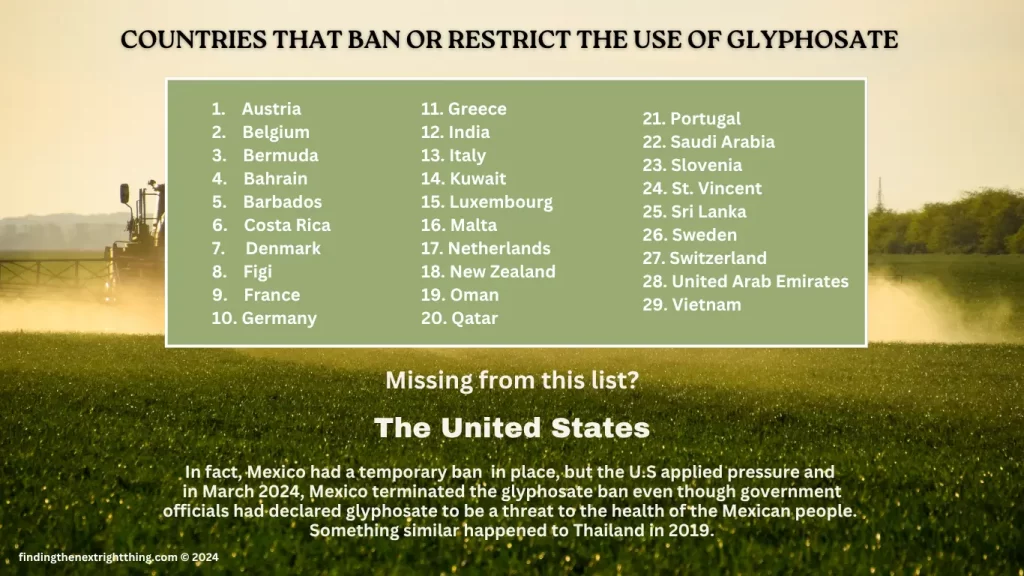
Glyphosate use has been banned in 29 countries, with another 7 imposing restrictions. But here in the United States, its use remains widespread. Even Mexico, which proposed a ban on glyphosate, reversed its decision in 2024 under pressure from the U.S. and corporate interests.
Bayer was just ordered to pay $2.1 billion to a man who developed cancer from Roundup. That’s one of the largest verdicts of its kind and there are 60,000 more lawsuits pending. And, instead of trying to find ways to make their product less toxic, they have been adding ingredients making the formula more toxic to our health. If they aren’t deterred by a $2.1 billion dollar verdict imagine how much money they are bringing in, making us sick.
How our Bodies Pay the Price
Mitochondrial Dysfunction
Glyphosate doesn’t just harm plants, it disrupts our mitochondrial function by promoting oxidative stress, free radical damage, and disrupting ATP synthesis. It interferes with the electron transport chain, impairing the cell’s ability to generate energy efficiently. Over time, this energy deficit can weaken vital organs and compromise the immune system, especially in children with chronic illness.
Disrupting Gut and Blood Brain Barrier
Glyphosate disrupts the function of tight junctions in the body. These junctions act as gatekeepers. They maintain the health and integrity of critical barriers in our body, namely the gut and the blood-brain barrier. When glyphosate compromises these tight junctions, it weakens our body’s defenses. Harmful substances that should be kept out of our bloodstream and brain, like toxins and pathogens, are able to slip through these barriers and enter the bloodstream and brain. When tight junctions in the intestines are disrupted, it leads to “leaky gut,” allowing undigested food particles and toxins leak into the bloodstream. This triggers chronic inflammation and contributes to autoimmune diseases and other long-term health problems.
A 2023 study from Arizona State University (ASU) confirmed that glyphosate easily crosses the blood-brain barrier, infiltrating the brain and increasing pro-inflammatory cytokines. Once inside the brain, it ramps up pro-inflammatory cytokines and fuels neuroinflammation. This inflammatory effect is linked to cognitive diseases such as Alzheimer’s, Parkinson’s, and other neurological disorders.
Heavy Metal Synergy
Glyphosate acts as a chelator, and binds to heavy metals like aluminum, making it harder for the body to eliminate them. This bond interferes with natural detoxification processes. As a result, the combination of glyphosate and heavy metals intensifies neurological damage. This is particularly important for individuals with PANS/PANDAS, Lyme disease, or mold toxicity, who already struggle with detox and immune regulation.
The Environmental Fallout from Glyphosate
Glyphosate is fundamentally altering the world around us, degrading soil health and disrupting ecosystems. Glyphosate blocks the shikimate pathway, a biological process essential for plants and beneficial microbes that support soil fertility and human gut health. While humans don’t have this pathway, the bacteria that support both soil fertility and gut health do, making glyphosate’s widespread use a major ecological concern.
Destroys Soil Microbes & Reduces Nutrient Density
When glyphosate is sprayed on crops, it doesn’t just kill weeds, it kills the microbial life in the soil. Healthy, nutrient-rich soil depends on a thriving community of fungi, bacteria, and other microorganisms that break down organic matter, cycle nutrients, and improve plant resilience. Without these microbes, soil loses its fertility, structure, and ability to retain water, leading to increased erosion, desertification, and poor crop yields over time. This creates a vicious cycle where farmers become increasingly dependent on chemical fertilizers and pesticides to compensate for the depleted soil. This cycle further perpetuates environmental damage.
Glyphosate in Waterways & Wildlife
The damage extends beyond farmland. Glyphosate runoff from agricultural fields spills into rivers, lakes, and groundwater, contaminating drinking water and harming aquatic life. Pollinators like bees and butterflies, which rely on diverse plant life for survival, are also affected, as glyphosate destroys flowering plants and weakens their immune systems, making them more susceptible to disease.
As soil quality declines and ecosystems become more fragile, the ability to grow nutrient-dense food and sustain biodiversity is being compromised. Glyphosate use is taking a heavy toll, on our health, on our ecosystems, and on future generations.
🎧 Podcast Recommendation: How Declining Soil Health is Making us all Fatter and Sicker.
The Rise in Chronic Diseases: Correlation or Causation?
Researcher and MIT scientist, Dr. Stephanie Seneff has extensively studied the link between glyphosate use and the increase in chronic diseases, autoimmune diseases and autism. Her findings suggest that glyphosate is a key driver of modern health epidemics.
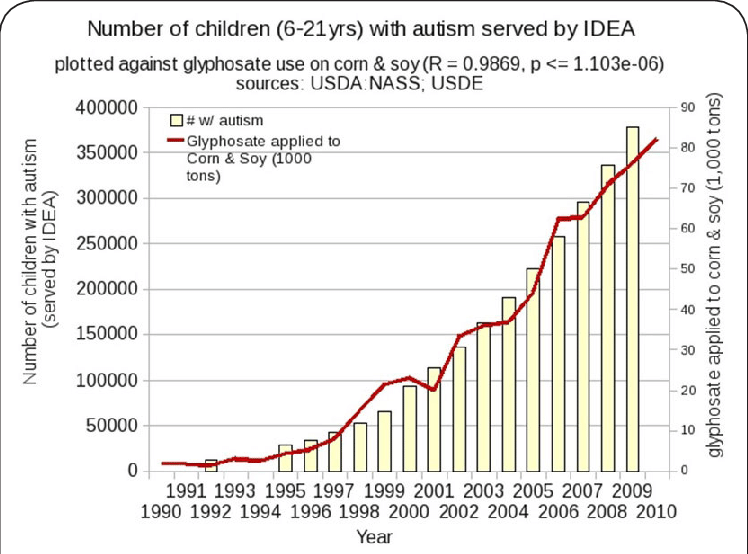
Her work explores how glyphosate interferes with biological processes and might be at the root of this increase in chronic disease. For example:
- Gut Microbiome Disruption: Glyphosate disrupts beneficial gut bacteria, contributing to dysbiosis, which has been linked to both autism and autoimmune diseases. A disrupted gut microbiome can lead to systemic inflammation and increased gut permeability (“leaky gut”) both of which are known to play significant roles in the development of autoimmune conditions.
- Impaired Detoxification: Glyphosate’s inhibition of critical pathways like the shikimate pathway (which is essential for producing certain amino acids in plants and gut bacteria) may affect the body’s ability to detoxify. This impaired detoxification could lead to a buildup of environmental toxins, heavy metals, and other harmful substances in the body, triggering immune responses and neuroinflammation.
- Nutrient Deficiencies: Researchers have shown that glyphosate chelates important minerals, such as magnesium, iron, and manganese. When crops are sprayed with glyphosate, their nutrient density diminishes, and the long-term consumption of these foods can contribute to nutrient deficiencies in humans, which further compromises immune function and brain health.
Steps to Reduce Glyphosate Exposure
- Eat Organic Whenever Possible – Organic foods are grown without glyphosate-based herbicides. Studies show that switching to an organic diet can reduce glyphosate levels in the body by over 70% within a week. That could be a significant shift in the toxic body burden.
- Filter Your Water – Glyphosate has been detected in tap water. Use a high-quality water filter to remove pesticide residues.
- Avoid Processed & GMO Foods – Corn, soy, wheat, and oat-based foods tend to have the highest glyphosate levels. Choose organic, non-GMO alternatives.
- Support Detoxification – Optimize glutathione levels, mitochondrial function, and gut health with nutraceuticals, infrared sauna therapy, castor oil packs, and detox baths with Bentonite Clay and Epsom Salt.
- Regenerative Farming – Support local farmers using regenerative farming practices that prioritize soil health and biodiversity.
🎧 Podcast Recommendation: How the Weedkiller Glyphosate Affects Your Body and How to Avoid It
Frankenfood
Ultra-Processed, GMO & Synthetic Food-Like Products
What are Frankenfoods?
Frankenfoods are the ultra-processed, lab-created, and chemically altered products that now dominate grocery shelves. They’re engineered to look like food, taste like food, and feel like food, but our bodies know they’re fake.
Ultra-processed foods now make up over 60% of the American diet. These include boxed snacks, frozen meals, packaged baked goods, sugary drinks, and even some “health” foods with long ingredient lists. They’re engineered for shelf stability and to addict us, not for our health.
The problem is, our bodies don’t recognize many of these ingredients as food. They strain detox pathways, disrupt the gut-brain axis, and trigger inflammatory responses that confuse the immune system. In a child with PANS/PANDAS, ASD, or another chronic condition, these foods are fuel for dysfunction.
Frankenfoods aren’t just “junk food” they’re a direct contributor to neuroinflammation. And the effects are cumulative.
From Crops to Chemistry | GMOs
Most Frankenfoods wouldn’t exist without genetically modified organisms (GMOs). These lab-altered crops are meant for industrial agriculture, not our health. They support the ultra-processed food industry.
The majority of corn, soy, canola, cottonseed, and sugar beets grown in the U.S. are genetically modified. Not to improve nutrition or flavor, but to withstand repeated spraying with herbicides like glyphosate. These GMO crops survive the chemical onslaught while everything else around them dies. After that, they’re harvested, processed, broken down, and injected into nearly every packaged food on the market.
Unless it’s organic or certified non-GMO, it’s safe to assume the food has been genetically tampered with somewhere along the line.
Additives | The Chemistry Hidden in our Food
Flip over almost any package in the snack aisle and you’ll find a chemical cocktail listed as ingredients: artificial dyes, preservatives, flavor enhancers, texture stabilizers, and synthetic sweeteners.
Some interfere with enzymes in the liver, others damage the gut lining, and several disrupt neurotransmitter balance in the brain. For children with PANS/PANDAS, ASD, or ADHD, the reaction can be immediate and dramatic, agitation, meltdowns, brain fog, or sleep disruption. But for others, it may quietly build over time as another layer of inflammation.
Artificial food dyes are banned or restricted in several countries, yet remain widely used in the U.S., especially in foods marketed to children. The EU requires warning labels on products containing certain dyes, acknowledging their link to behavioral issues.
Preservatives like BHA and TBHQ, flavor enhancers like MSG, and emulsifiers like polysorbate 80 have all been shown to impact gut health, mitochondrial function, and immune regulation. And many of these additives interact with each other in ways science still doesn’t fully understand.
None of these have been part of the human diet for the last hundred thousand years. They are foreign to our biology, and they add to the total body burden.
How Ultra-Processed Foods Harm the Gut-Brain Axis
The gut and brain are in constant communication, sending signals through the vagus nerve, the microbiome, immune cells, and hormones. When that system is running clean, it supports regulation, focus, stable moods, and strong immunity. But ultra-processed foods short-circuit that feedback loop.
Refined sugars and starches flood the bloodstream, spiking insulin and triggering inflammation. Industrial seed oils, like soybean, corn, and canola, are high in omega-6 fats that promote inflammatory signaling. Add in synthetic emulsifiers, flavorings, and preservatives, and the gut lining takes a direct hit. This leads to increased intestinal permeability (leaky gut) which allows undigested food particles and pathogens to enter the bloodstream and activate the immune system.
In children with PANS/PANDAS or other neuroimmune conditions, this immune activation doesn’t stay in the gut. It reaches the brain, fueling neuroinflammation and worsening symptoms.
On top of that, ultra-processed foods are nutrient-poor. They displace real foods rich in the vitamins, minerals, and amino acids needed for detoxification, methylation, and neurotransmitter synthesis. So not only are these foods actively inflammatory, they’re also depriving kids of the fuel they need to heal.
UPFs Fill Up their Buckets
Ultra-processed food is not just less healthy than real food, they are toxins! These synthetic, chemically altered foods add to the same toxic body burden as pesticides, plastics, and heavy metals. They demand attention from the liver, steal nutrients needed for detoxification, and introduce compounds the body doesn’t easily metabolize or excrete. For a child with an already overflowing bucket, this added strain can be enough to tip them into flare or regression. The body doesn’t differentiate between “chemical from the pantry” and “chemical from the paint aisle.”

What to Watch for
Here are common red flags that signal a food is more chemical experiment than nourishment:
Common Ultra-Processed Ingredients
- Artificial Colors (Red 40, Yellow 5, Blue 1): linked to hyperactivity, behavioral issues, and neuroinflammation.
Preservatives (BHA, BHT, TBHQ): used to prevent spoilage, but also shown to disrupt mitochondrial and immune function.
Flavor Enhancers (MSG, autolyzed yeast, “natural flavors”): stimulate appetite and can provoke neurological symptoms in sensitive kids.
Emulsifiers & Stabilizers (polysorbate 80, carrageenan, mono- and diglycerides): linked to gut lining damage and microbiome disruption.
Refined Grains & Sugars (glucose syrup, high fructose corn syrup, maltodextrin): spike blood sugar, trigger inflammation, and displace nutrient-dense food.
Watch for Label Language Tricks
- “Natural Flavors”: A catch-all term that can. It can mean hundreds of chemical compounds derived from natural sources, but often in unnatural ways.
“Bioengineered” or “Derived from Bioengineered Ingredients”: The quiet rebranding of GMO labeling.
“Plant-Based”: Doesn’t mean whole food. Many “plant-based” meats and snacks are ultra-processed and loaded with additives.
“Whole Grain” or “Low Fat”: Often a distraction from the chemical list that follows. Low fat frequently means high sugar or starch.
Where They Hide
- Kids’ yogurts and snack bars
Breakfast cereals and toaster pastries
Frozen entrees and “kids’ meals”
Shelf-stable baked goods and snack cakes
Fruit snacks and gummies
Vegan cheeses and plant-based meats
“Gluten-free” treats made from starches and gums
Just because a product is labeled organic or gluten-free doesn’t mean it’s unprocessed. Check the ingredients, not just the claims.
Plastics
Plastics, Microplastics & Nanoplastics
Plastics are everywhere, literally woven into the fabric of our daily lives. They wrap our food, hold our drinks, and even make up the clothes we wear. At first glance, plastics seem to make life more convenient, but the convenience is costing us. Plastics never truly biodegrade. Instead, they break down into smaller and smaller particles. First, they break down into microplastics, and then nanoplastics, ultrafine particles small enough to enter human cells and even cross the blood-brain barrier.
Nanoplastics
These fragments now contaminate nearly every part of our environment. They’re in the air we breathe, the water we drink, the food we eat, and even in our bloodstream. A 2024 study published in The New England Journal of Medicine discovered microplastics embedded in the arteries of heart disease patients. The findings? Patients with detectable plastic particles had significantly higher rates of heart attacks, strokes, and vascular inflammation.
But the issue goes even deeper.
Nanoplastics behave like microscopic shards of glass inside the body. They physically irritate tissues, disrupt hormones, alter immune signaling, and trigger chronic inflammation. Nanoplastics adsorb environmental toxins like heavy metals or pesticides and can then ferry them deeper into vulnerable tissues, including the brain.
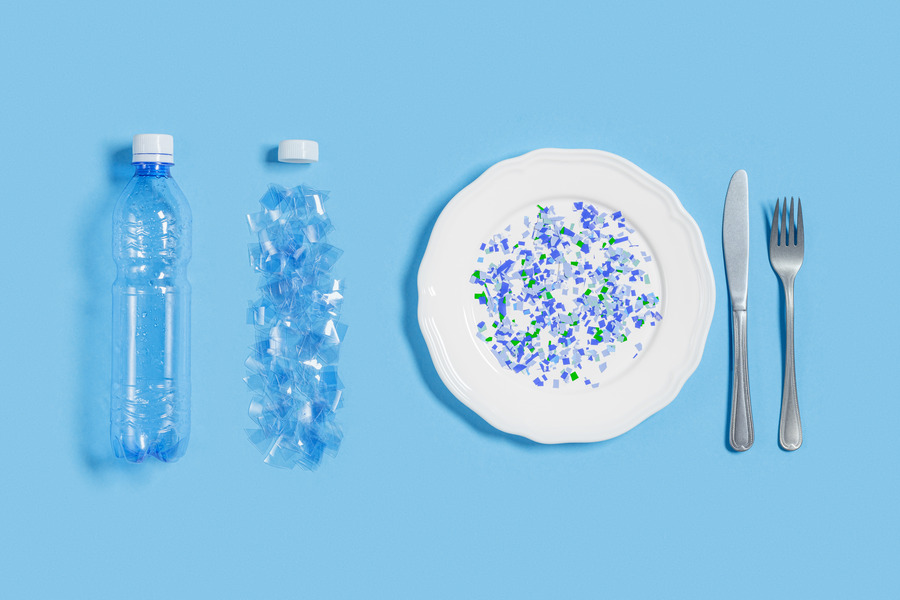
For children, whose systems are still developing, the risk is even more serious. Their detox pathways are immature, their blood-brain barrier is more permeable, and their smaller body size means the same amount of exposure creates a much higher dose per pound.
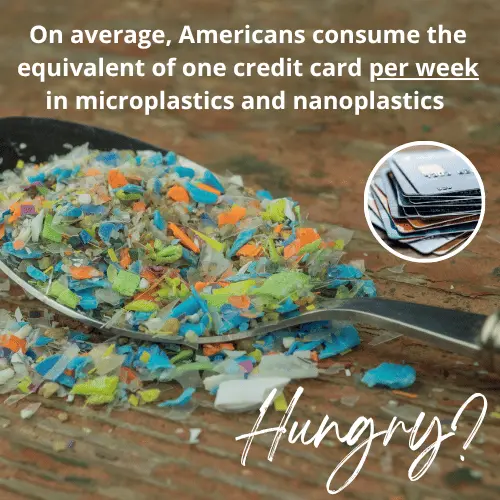
To put things in to perspective, the average American consumes the equivalent of a credit card’s worth of microplastics every single week.
Sources of Microplastic Exposure:
Plastic food packaging and takeout containers
Water bottles (especially when left in the sun or reused)
Synthetic clothing (polyester, nylon, fleece) that sheds microfibers into the air and water
Household dust (contaminated with airborne microplastics from carpets, furniture)
Processed foods which often test high for plastic particles
How to Reduce Your Family’s Exposure:
Switch to glass or stainless steel containers for food and drink
Avoid microwaving food in plastic (even “microwave safe” ones can leach chemicals)
Use natural-fiber clothing and bedding (cotton, wool, linen) when possible
Wash synthetic clothing in a Guppyfriend bag or use a fiber-catching filter on your washing machine
Choose whole, unpackaged foods when possible
Filter your drinking water with a system tested for plastic particles
Reducing plastic exposure won’t eliminate every risk, but it does lighten the toxic load. And for children already facing inflammatory conditions like PANS/PANDAS, autism, or chronic immune issues, reducing plastic burden can lessen the total toxic body burden.
Small changes can stack up. Choose glass or stainless steel containers, avoiding plastic packaging when possible, and opting for products made from natural materials are simple steps we can take to reduce our exposure.
Industrial Chemicals
Everyday products are often hiding some of the most harmful exposures our children face. From non-stick pans to waterproof jackets, we’ve built convenience into our routines, without fully realizing the invisible cost. These industrial chemicals, found in our kitchens, bathrooms, and even receipts, aren’t just temporary. They build up in the body, disrupting development, immune function, and hormonal balance over time.
PFAS ("Forever Chemicals")

PFAS, or per- and polyfluoroalkyl substances, are synthetic chemicals that have quietly become one of the most pervasive environmental threats of our time. Nicknamed “forever chemicals” for their ability to resist breaking down, PFAS accumulate in the tissues of humans and animals alike, for decades. These substances are commonly found in products designed to repel water and grease, such as non-stick cookware, waterproof clothing, food packaging, and firefighting foams.
What makes them especially dangerous is their ability to travel easily through soil, air, and water, contaminating entire ecosystems. Because they’re so persistent, even small, repeated exposures can lead to a significant toxic burden over time, particularly in children, whose systems are still developing.
The Health Risks of PFAS
PFAS exposure causes immune disruption, hormone imbalance, and damage to organs like the liver and kidneys. Long-term studies show that PFAS exposure raises the risk of certain cancers. Because PFAS also interfere with the endocrine system, they may impair reproductive health and development, especially in pregnant women and young children.
PFAS in Our Drinking Water and Food Supply
Industrial discharges, runoff from firefighting foams, and contamination from landfills have contaminated drinking water with PFAS across the globe. In many U.S. communities, water samples now exceed federal safety standards. And it doesn’t stop at water. PFAS are in our food too. These chemicals migrate from food packaging directly into the food we eat. One of the most well-known culprits? Microwave popcorn. The inside of the popcorn bag is often coated with PFAS to prevent grease from soaking through. But when the bag is heated, those chemicals can leach into the popcorn itself, right before we hand it to our kids as a snack.
Microwave popcorn isn’t the only source, PFAS can also be found in fast food wrappers, pizza boxes, and other grease-resistant packaging. Reducing these exposures where possible, choosing stovetop popcorn made with clean ingredients, using uncoated parchment paper instead of convenience packaging, and limiting takeout when practical, can help take a significant burden off the system.
Phthalates
Manufacturers use phthalates to make plastics soft and flexible. These chemicals show up in toys, food packaging, vinyl flooring, and countless personal care products. Phthalates disrupt hormones and have been linked to reproductive problems, developmental delays, and hormone-related cancers. Reduce exposure by avoiding plastic containers and choosing personal products labeled “phthalate-free.”
Bisphenol A (BPA) & Bisphenol Substitutes (BPS, BPF)
BPA is another plastic-related chemical commonly found in food and drink containers, like water bottles and the lining of canned goods. Like phthalates, BPA is an endocrine disruptor that can mimic estrogen and disrupt hormonal balance. Long-term exposure has been linked to infertility, heart disease, and an increased risk of breast and prostate cancers. Though many manufacturers now offer “BPA-free” products, other bisphenol compounds, like BPS, can still pose similar risks, so it’s important to be mindful of all plastics, especially those used in food storage.
Just Say No to the Receipt! That receipt you were handed by the grocery store employee is covered in BPA. When you touch a receipt, even for seconds, the amount of BPA that rubs off on your hands is more than you think. Connecticut, Illinois and Washington have banned BPA in receipts due to the severe health hazards they pose. Until other states catch up, request digital receipts or wash your hands after handling paper ones.
Parabens
Parabens are synthetic preservatives commonly found in skincare products, cosmetics, and processed foods. They’re used to prevent the growth of bacteria and mold and extend the shelf life of products like lotions, shampoos, deodorants, and packaged foods. Parabens have been shown to mimic estrogen in the body, disrupting hormone balance and interfering with the endocrine system. This hormonal disruption has been linked to an increased risk of breast cancer, metabolic disorders, and cardiovascular disease.
Indoor Air Pollution
Volatile Organic Compounds (VOCs)
Most people assume that air pollution is an outdoor problem, caused by smog, car emissions, and industrial waste. However, indoor air can be up to five times more polluted than outdoor air, with toxins lingering in places where we eat, sleep, and breathe every day.
VOCs are a group of chemicals that easily evaporate into the air, making them common in household cleaners, paints, and air fresheners. These everyday products release volatile organic compounds (VOCs), including formaldehyde, and other harmful chemicals into the air. With the average person spending 90% of their time indoors, reducing indoor air pollution is an important part of protecting our health and supporting the body’s natural detoxification processes.
Some VOCs, like benzene and formaldehyde, are also known carcinogens. To reduce exposure choose non-toxic cleaning products, use low-VOC paints, and find a good air purifier for your home.
Several plants like spider plants, snake plants, peace lilies, aloe vera, ficus, and bamboo can remove VOCs from indoor air. Bring a piece of the outdoors indoors and clean your air in the process.
Electromagnetic Pollution
EMFs and Dirty Electricity
For decades, scientists have recognized the dangers of ionizing radiation, including UV rays, X-rays, and gamma rays. We’ve all experienced a painful sunburn after a day at the beach, which is actually a visible sign of UV radiation damaging our skin cells. That same radiation, with repeated exposure, can eventually lead to skin cancer by harming the DNA in our cells. X-rays, while invaluable, come with similar risks. That’s why the technician always drapes that heavy lead apron over you before stepping out of the room. They understand radiation’s potential to damage our DNA and increase cancer risk with excessive exposure.
But what about non-ionizing radiation?
The kind emitted by our cell phones, Wi-Fi routers, and power lines. For years, the scientific community believed these lower-energy waves were essentially harmless.
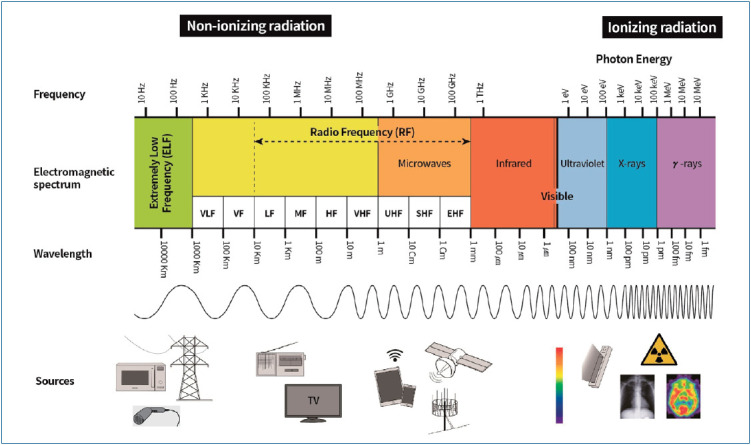
Research is now challenging this assumption, proving that non-ionizing radiation can cause significant harm even at levels far below heating thresholds. Studies conclude that chronic EMF exposure can lead to cellular dysfunction, increased oxidative stress, nervous system dysregulation, and long-term health conditions.
EMF exposure has been linked to an ability to disrupt the blood brain barrier (BBB). Studies suggest that radiation from wireless technology weakens the BBB, making the brain more vulnerable to toxins like heavy metals, mold mycotoxins, and chemicals. This landmark study demonstrated that low level radiation caused BBB permeability after just 2 hours of exposure!
Sources of EMFs
We are exposed to EMFs from multiple sources all day, every day, including:
- Cell Phones & Wireless Devices: Smartphones, tablets, laptops, Bluetooth devices, and wireless earbuds all emit RF radiation during calls, data transmission and bluetooth usage.
- WiFi Routers & Smart Home Devices: Wireless internet signals continuously emit pulsed EMFs.
- Microwave Ovens: Even when microwaves are shielded, leakage can still occur.
- Power Lines: High-voltage power lines create low-frequency electromagnetic fields (ELFs).
Does this seem like conspiracy theory or fringe science? Think again.
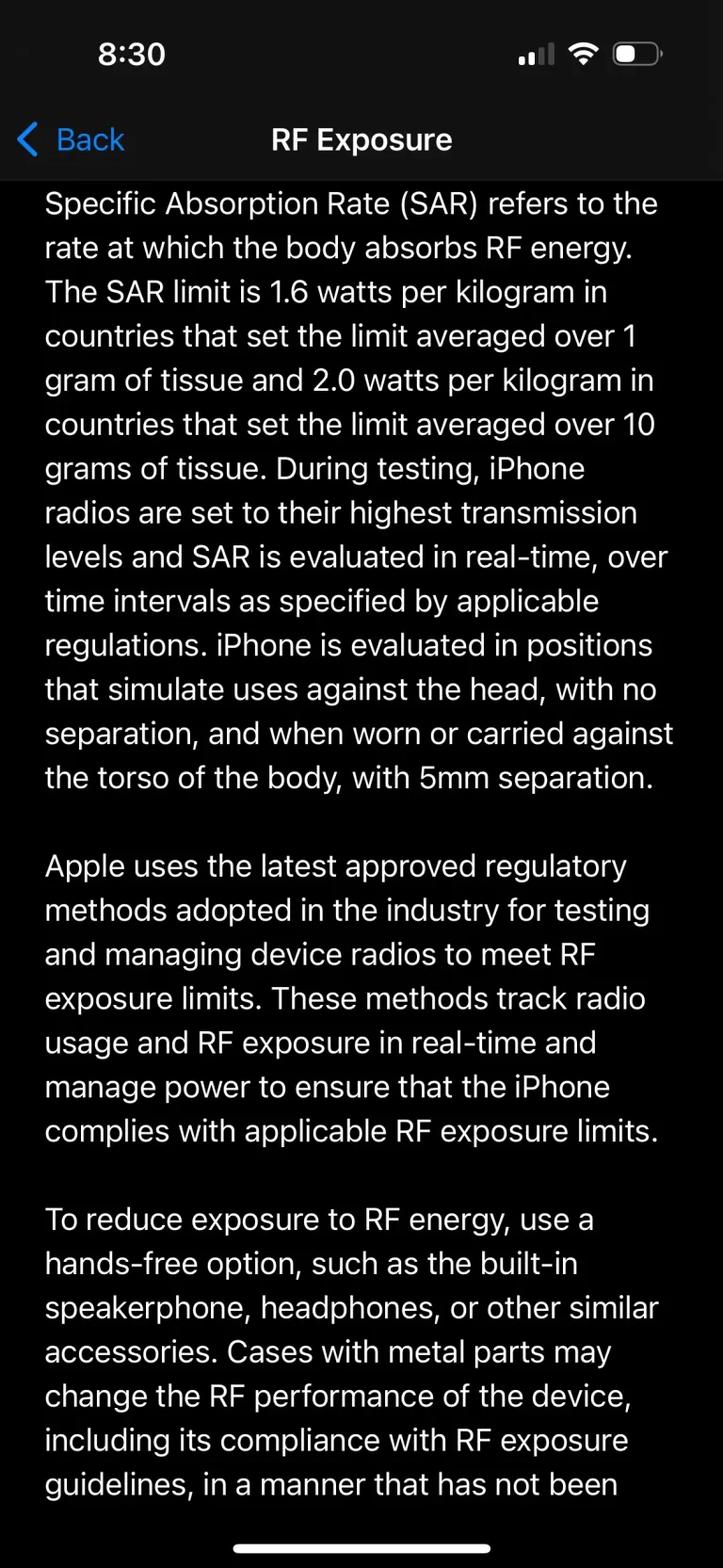
Your iPhone comes with an entire section dedicated to RF (radiofrequency) exposure, and it’s not hidden in the fine print. Under Settings > Legal & Regulatory > RF Exposure, Apple explains how the device is tested for radiation absorption (SAR) and advises users to carry the phone with a 5mm separation from the body. Why? Because when held directly against the skin, like in a pocket, bra, or against a child’s body, the body may absorb more RF energy than the safety threshold allows.
Apple even suggests reducing exposure by using speakerphone or headphones, and warns that certain phone cases, especially those with metal, can interfere with RF safety performance.
This isn’t fringe. It’s built into the phone, and it’s worth paying attention to if your child is dealing with immune dysregulation, mitochondrial stress, or neurological symptoms. EMFs may not be the root cause of illness, but in sensitive systems, they can be a contributing factor.
Exposure to Dirty Electricity
When we flip on a light switch or plug in our laptops, we rarely think about the quality of electricity flowing through our homes. But beneath the surface, our homes often buzz with “dirty electricity,” a hidden byproduct of our modern tech-filled homes.
Dirty electricity happens when the smooth, consistent flow of electrical current is disrupted. This disruption creates voltage spikes and electrical noise on our home wiring, similar to static on a radio station.
Common Sources:
- Dimmer Switches – Generate high-frequency voltage that radiate EMFs.
- LED & Fluorescent Lights – Disrupt voltage flow, introducing electrical interference into home wiring.
- Smart Meters – Emit frequent wireless RF signals, increasing household EMF pollution.
- Household Appliances – Computers, refrigerators, and TVs produce electrical noise that spreads throughout the wiring in your home.
How EMFs & Dirty Electricity Affect Our Health
Chronic EMF exposure disrupts cellular processes, damages DNA, and alters the body’s electrical balance. Dr. Dietrich Klinghardt, a leading expert in functional medicine and environmental medicine, has spoken extensively about the impact of WiFi, 5G, EMFs and mold, and immune function. His research and clinical observations show how WiFi, 5G, and EMFs worsen biotoxin related illnesses, particularly mold toxicity and Lyme disease.
EMFs & the Blood Brain Barrier
Studies show that radiofrequency (RF) radiation weakens the BBB. This damage allows toxins like glyphosate, heavy metals, and mold mycotoxins to pass directly into the brain.
EMFs + Mold & Biotoxin Illness
Dr. Klinghardt explains that Wi-Fi and 5G radiation don’t just affect humans, they also affect mold colonies. Mold exposed to EMFs becomes more aggressive. Research indicates that EMFs act as a stressor on mold colonies, causing them to release up to 600x more mycotoxins. These neurotoxins can severely affect the brain, nervous system, and immune health.
EMFs Weaken the Immune System
EMFs suppress detoxification pathways. They interfere with the body’s ability to clear mycotoxins, heavy metals, and environmental toxins. EMF exposure also lowers melatonin levels, which impacts sleep, cellular repair, and detoxification, key elements in mold and autoimmune recovery.
Research suggests 5G radiation penetrates deeper into our tissues. It worsens mitochondrial dysfunction and oxidative stress, making recovery even harder.
🎧 Podcast Recommendations: Klinghardt Conversations #3 with Dr. Dietrich Klinghardt
EMF Protection Strategies
- Turn fff Wi-Fi at night.
- Use wired internet Instead of Wi-Fi – Ethernet connections eliminate wireless radiation and reduce EMF load in the home.
- Keep phones on airplane mode when possible. Avoid sleeping next to your phone.
- Shield the Bedroom from EMFs – Options include EMF-blocking paint, canopies, and grounded shielding fabrics.
- Say no to smart meters – Smart meters emit high levels of pulsed RF radiation, which can worsen mold toxicity symptoms.
- Practice grounding (earthing) daily – Walking barefoot outdoors neutralizes excess electromagnetic charge, helping reduce inflammation and oxidative stress.

Mitigating Dirty Electricity
You can’t see dirty electricity, but you can measure and reduce it.
How to Measure Dirty Electricity:
- Greenwave Broadband EMI Meter – It measures dirty electricity levels in millivolts (mV). Using the filters, you can compare the readings before and after filters are installed. I use this is my home and found one room in my house that had exceptionally high levels that needed multiple filters.
Install Dirty Electricity Filters:
- Greenwave Filters – Plug them into electrical outlets to neutralize erratic voltage spikes, smoothing out the electrical current.
Other Strategies:
- Unplug household appliances and electronic devices when not in use.
- Use incandescent bulbs instead of LED or fluorescent.
- Avoid Dimmer switches all together.
🎧 Podcast Recommendation:The Body is Electric and Dirty Electricity Harms.
📘 Book Recommendation: The Non-Tinfoil Guide to EMFs: How to Fix Our Stupid Use of Technology
Start Living the Detox Life
Our world is flooding us with toxins. In the past, our detoxification systems could handle the natural toxins we encountered. But today, our buckets are overflowing with industrial chemicals, heavy metals, plastics, and pesticides, making it more important than ever to actively avoid toxins and support our body’s detox pathways.
For families dealing with PANS/PANDAS, natural detox support becomes even more important. These children already have sensitive immune systems and inflamed brains, so clearing the body’s toxic burden can be an important step in their healing journey. By understanding the threats and taking small, intentional steps, we can help protect our bodies and those of our families, while giving our most vulnerable kids a fighting chance to heal.
To learn more about strategies to address natural detox in kids read the Detox Herbal Guide.