
Inflammation
The Silent Threat of Chronic Inflammation in Children
Inflammation is at the root of countless chronic conditions today. While acute inflammation helps the body heal and fight off infections, chronic inflammation can do the opposite. Chronic inflammation silently, slowly damages tissues and disrupts essential bodily functions. More and more children now face autoimmune diseases, PANS/PANDAS, and neuroimmune challenges like neuroinflammation in PANDAS, driven by chronic inflammation in children.
Acute Inflammation
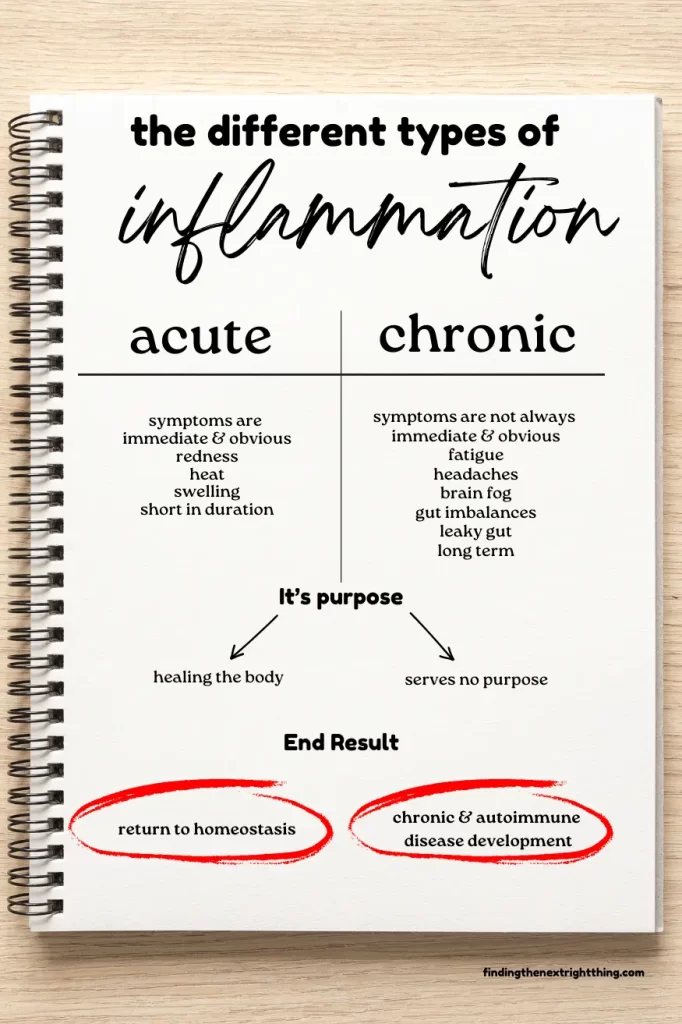
Acute inflammation acts as the body’s first line of defense. When the immune system detects a threat, like an injury, bacteria, or virus, it springs into action. Immune cells rush to the affected area, and release signaling molecules like cytokines, triggering redness, swelling, and heat. This reaction is our body’s natural and necessary response. It helps repair tissues, eliminate pathogens, and prevent further damage. Once the threat is gone, a healthy immune system dials back inflammation, restoring balance.
But while short-term inflammation protects us, chronic inflammation is another story. When it drags on, it becomes harmful and has significant downstream effects.
Chronic Low-Level Inflammation
Unlike acute inflammation, chronic low-level inflammation operates more subtly. It silently damages the body. Chronic inflammation does not produce obvious symptoms like pain or swelling. Instead, it builds over time, often triggered by mold, leaky gut, environmental toxins, chronic stress, and low-grade persistent infections, like Lyme, Bartonella, EBV or CMV.
The danger lies in its invisibility. Chronic inflammation can persist for years without any obvious signs. It steadily damages tissues and organs, creating the perfect environment for autoimmune diseases to develop.
The Autoimmune Connection to Chronic Inflammation in Children
Autoimmunity happens when the immune system, meant to protect the body, misfires. It attacks the body’s own healthy tissues. It loses the ability to distinguish between “self” and “non-self.” The immune system flags normal cells as dangerous. It launches inflammatory attacks on organs, joints, glands, or, in the case of PANS/PANDAS, the brain.
But autoimmune conditions don’t appear out of nowhere. Chronic inflammation, especially low-grade, systemic inflammation can simmer below the surface for months or years. This ongoing immune activation creates the perfect storm for autoimmunity.
Inflammation, especially when unresolved, can:
Damage tissues, triggering the immune system to “clean up” what it perceives as abnormal
Alter proteins on the surface of cells, making them look like invaders
Promote molecular mimicry, where pathogens share molecular patterns with human tissue, confusing the immune system.
Research supports this connection. (Study) Elevated levels of inflammatory cytokines like TNF-α, IL-6, and IL-1β show up in both chronic inflammation and autoimmune conditions. These molecules can further worsen inflammation, creating a cycle of immune overactivity that’s tough to break.
Autoimmunity isn’t just a diagnosis. It’s the consequence of a system overwhelmed by unresolved inflammation, toxic load, and repeated immune threats. (Research)
Understanding how inflammation drives both autoimmune activity and neurological symptoms, including neuroinflammation in PANDAS, leads us to an even more important question:
So what's triggering this inflammation epidemic?
Why are more and more children being diagnosed with autoimmune and neuroimmune conditions? Why does a mild infection send some children into a psychiatric crisis while others recover uneventfully?
The answer lies in the invisible burdens of modern life, the cumulative weight of toxic exposures, chronic stress, poor nutrition, and microbial imbalances that chip away at immune resilience until the final assault that tips the scales to autoimmunity.
Let’s reflect on the numbers: the rate of autism in children is now estimated to be as high as 1 in 27. PANDAS/PANS affects 1 in 200 children. And overall, 1 in 4 American children, or roughly 40% of American children, are living with a chronic health condition or functional limitation. This is a dramatic jump from just two decades ago.
This next section breaks down the most common and often overlooked drivers of chronic inflammation in children today.
Root Causes of Chronic Inflammation in Children
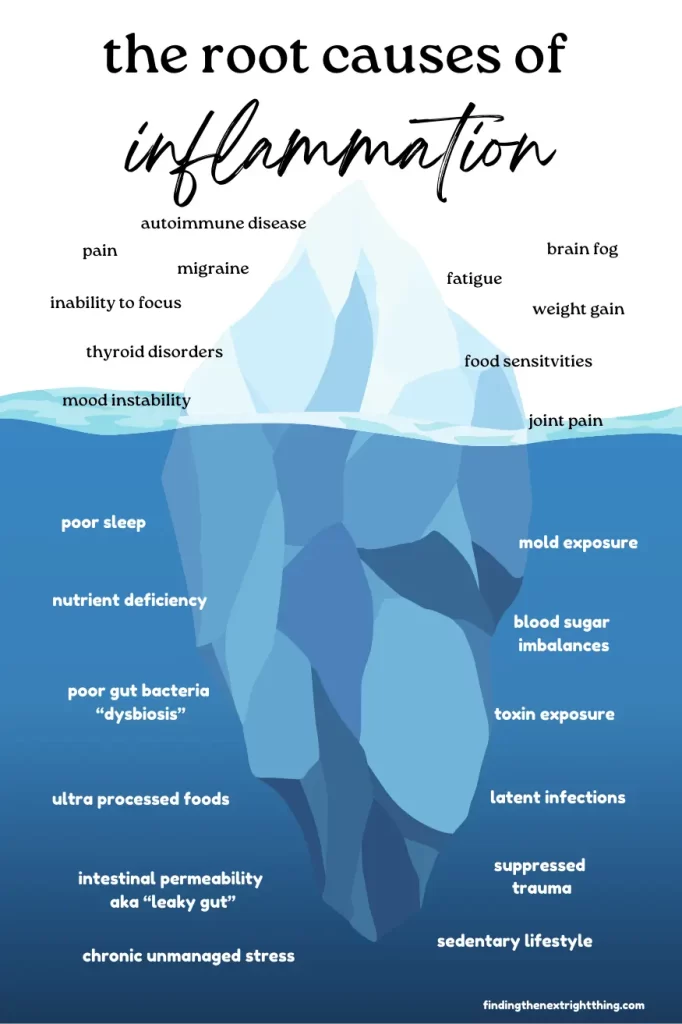
- Dietary Factors: The Standard American Diet (SAD) is full of food high in sugar, refined starches, GMOs, and processed foods. The SAD diet triggers inflammation. These foods promote insulin resistance and metabolic imbalances, closely linked to inflammatory pathways. For example, sugar causes glucose spikes that release pro-inflammatory cytokines, while endotoxins like lipopolysaccharides (LPS) can penetrate a leaky gut and trigger systemic inflammation. Children are especially vulnerable to this type of metabolic inflammation, contributing to mood swings, behavioral issues, and immune dysregulation. Read more about gut health in the Root Causes Guide – Gut Health.
- Sedentary Lifestyle: Exercise helps regulate insulin sensitivity, reduce oxidative stress, and maintain a healthy inflammatory response. A sedentary lifestyle, on the other hand, increases the risk of chronic inflammation. With more screen time, less outdoor play, and decreased physical education in schools, many children aren’t moving enough to support optimal lymphatic flow, brain development, or inflammation control.
- Environmental Toxins: Pesticides, heavy metals, and household chemicals also contribute to chronic inflammation. These toxins accumulate in tissues, disrupting normal cellular function and triggering immune responses. Heavy metals like mercury and lead can cause oxidative stress, further promoting inflammation. Children are more vulnerable to toxins due to their smaller size, developing detox systems, and frequent hand-to-mouth behaviors, which makes their exposure risk disproportionately higher. Read more about environmental toxins and our children’s health in the Root Causes Guide – Toxins.
- Stress: Chronic stress releases cortisol, which in short bursts, helps control inflammation. However, when cortisol levels stay elevated for too long, the immune system becomes dysregulated, leading to increased inflammatory responses. Psychological stress is often linked to elevated levels of inflammatory markers, such as C-reactive protein (CRP).
- Latent Infections: Many people have latent infections, such as Lyme, Epstein-Barr virus (EBV) or herpes simplex virus (HSV), without being aware of it because their immune system normally keeps these bugs in check. But, these infections can reactivate during periods when our body is weakened in some way, and our immune system becomes over powered. It could be a pregnancy, serious illness, traumatic event or chronic stress.
- Microbiome Imbalances: Imbalances in the gut microbiome, such as dysbiosis or leaky gut syndrome, allow harmful endotoxins like LPS to enter the bloodstream. Once in the bloodstream, these endotoxins activate immune responses that promote inflammation and further disturb the immune system’s balance.
- Mold Exposure: Mycotoxins from mold have been shown to promote an inflammatory state that contributes to immune dysregulation and exacerbates chronic illness. Children living in water-damaged homes, schools, or daycares may be repeatedly exposed to low levels of mycotoxins without anyone realizing it, until symptoms of immune activation, behavioral changes, or cognitive issues emerge. Read more about the impact of mold exposure on our children’s health in the Root Causes Guide – Mold.
Neuroinflammation and Mental Health
For decades, mental health conditions like depression, anxiety, and OCD were framed almost exclusively in terms of “chemical imbalances”, primarily involving neurotransmitters like serotonin or dopamine. But over the last 10–15 years, research has dramatically shifted that understanding. We now know that inflammation in the brain (neuroinflammation in PANDAS and related conditions) is a major driver of many mental health symptoms.
Inflammatory cytokines such as IL-6, IL-1β, and TNF-α can cross the blood-brain barrier (BBB) and impact brain regions involved in mood, motivation, cognition, and stress response. When these immune signals flood the brain, they interfere with neurotransmitter function, increase oxidative stress, and disrupt neuronal communication. (Source).
Studies have shown that individuals with major depression and anxiety disorders often have elevated markers of systemic and neuroinflammation, including high CRP levels and increased inflammatory cytokines (Source). These inflammatory molecules can cross the blood-brain barrier, altering brain function in areas associated with mood regulation, stress response, and cognitive function.
Anti-inflammatory treatments, ranging from omega-3s and curcumin to targeted immune therapies, are being explored as novel treatment strategies for psychiatric conditions, especially in patients who are resistant to standard medications (Source).
PANS/PANDAS and Brain Inflammation
Neuroinflammation in PANDAS and PANS becomes the driving force behind sudden and severe neuropsychiatric symptoms.
This happens when the immune system, in response to an infection or immune trigger, becomes dysregulated and mistakenly attacks the brain, particularly the basal ganglia, a region involved in motor control, behavior regulation, and emotional processing.
For children with PANDAS this occurs when the immune system, after a strep infection, mistakenly targets parts of the brain, confusing them for pathogens.
PANS can be triggered by a broader range of triggers, including infections and environmental toxins. Each of these can spark a sudden onset of neuropsychiatric symptoms for a PANS child.
Brain inflammation in PANS/PANDAS involves several immune system mechanisms:
- Autoantibody Production: In PANDAS (specifically triggered by strep), the immune system produces antibodies that cross-react with brain tissue, a phenomenon known as molecular mimicry. These antibodies bind to neurons in the basal ganglia, disrupting their function and triggering sudden-onset OCD, tics, and rage. This autoimmune response is similar to what we see in diseases like rheumatic fever, where strep triggers an attack on the heart valves, but here, the brain is the target.
- Cytokine Release & Microglial Activation: The brain’s immune cells, called microglia, become hyperactivated in response to these infections and triggers. Once activated, they release large amounts of pro-inflammatory cytokines (IL-6, TNF-α, IL-1β), which further inflame the brain. This creates a feedback loop: inflammation → symptoms → stress → more inflammation. This is responsible for the intensity of symptoms seen during flares, OCD spirals, aggression, panic attacks, regression in language or academic ability, all classic signs of an inflamed brain.
- Blood Brain Barrier Breakdown: The blood-brain barrier (BBB) is a tightly regulated layer of cells that separates the brain from the rest of the bloodstream. Normally, the BBB allows nutrients and hormones in, but keeps toxins and harmful microbes out. However, children have a more permeable blood-brain barrier (BBB) than adults because the BBB is not fully developed until around age 20. This window leaves children more vulnerable to inflammation.
Pediatric Acute-Onset Neuropsychiatric Syndrome (PANS) and Pediatric Autoimmune Neuropsychiatric Disorders Associated with Streptococcal Infections (PANDAS): Immunological Features Underpinning Controversial Entities.
Connecting Mental Health & PANS/PANDAS Symptoms
This neuroimmune model of PANS/PANDAS helps explain why:
Traditional psychiatric medications sometimes fail, or even worsen, symptoms.
Children can be “fine” one day, and suddenly lose emotional or cognitive control the next.
OCD, anxiety, sensory issues, and tics wax and wane in response to infections or exposures, not just internal triggers.
In PANS/PANDAS, mental health symptoms are not psychological. Brain inflammation in PANDAS and PANS is immunological. This doesn’t mean we ignore therapy or emotional support, but it means we understand the root cause and treat the brain as an organ affected by inflammation, not just “misfiring chemicals.”
If we want to support children with PANS/PANDAS in truly recovering, not just managing behaviors, we must target the inflammatory processes driving their symptoms. That means: identifying triggers (strep, mold, viruses, Lyme, toxins), reducing neuroinflammation, supporting detox and immune regulation, and rebuilding the gut-brain axis.
This is why many families see huge gains not just from psychiatric meds, but from:
Anti-inflammatory herbs and nutrients (like curcumin, quercetin, omega-3s)
Mold remediation and detox protocols
Targeted antimicrobial or antiviral treatment
Understanding PANS/PANDAS Flares
When a child is in a flare, the priority is to lower the inflammation as quickly as possible. Unchecked inflammation doesn’t just amplify symptoms; it drains the body’s energy reserves, pushing the immune system into overdrive and rapidly burning through ATP, the cellular fuel needed for repair and recovery. Lowering inflammation helps shift the body out of crisis mode, conserving energy for healing rather than an endless inflammatory battle.
Children with PANS/PANDAS experience two inflammatory patterns.
Acute Inflammation (Flares): These are the sudden, intense symptom flare-ups triggered by infections, stress, or environmental factors. During flares, symptoms like OCD, tics, rage episodes, anxiety, and cognitive regression escalate dramatically, signs of a spike in neuroinflammation and immune system dysfunction.
Chronic Low-Level Inflammation: Even between flares, many children still continue to experience ongoing, low-grade neuroinflammation in PANDAS and PANS contributing to lingering symptoms such as brain fog, mood instability, fatigue, sensory sensitivities, and mild OCD or anxiety. This subtle but persistent immune activation can cause mood swings and irritability, brain fog, sensory sensitivities, OCD and anxiety.
What drives Chronic Inflammation?
- Immune System Dysregulation: The immune system remains overactive or imbalanced, struggling to return to baseline.
- Lingering Infections: Chronic infections such as Lyme, Mycoplasma, EBV, or Streptococcus can keep the immune system on high alert.
- Unresolved Underlying Triggers: Mold exposure, environmental toxins, gut dysbiosis, food sensitivities, or heavy metals can drive long-term inflammation.
The key to remission is not just putting out flares but addressing the root causes that keep inflammation simmering in the background. Read about the herbs and nutraceuticals to combat inflammation in the Inflammation Herbal Guide.
Using Herbal Support to Lower Inflammation
Chronic inflammation doesn’t resolve in isolation. It’s often intertwined with infections, immune dysregulation, gut damage, and impaired detox. The anti-inflammatory herbs listed in the Herbal Guide aren’t just symptom relief, they’re tools for shifting your child’s system out of crisis and back toward regulation. Whether you’re addressing neuroinflammation, immune overactivation, or histamine storms, the right natural anti-inflammatory remedies can reduce flare intensity and support long-term healing.
For More Targeted Support, Explore:
Detox Herbal Guide: To safely open and support elimination pathways before and during any clearing protocol.
Gut Health Guide: For rebuilding the gut lining and microbiome after antimicrobials, flares, or regression.
Root Causes Overview: To see how infections, toxins, and immune misfires interact beneath the surface.


PANS, while similar to PANDAS, can be triggered by a broader range of factors, including infections and environmental influences. Each of these can spark a sudden onset of neuropsychiatric symptoms for a PANS child.
In both PANDAS and PANS, reducing this inflammation is the priority. It’s not just about alleviating symptoms; it’s about allowing the body to redirect its energy toward healing, rather than using its resources to deal with an overactive immune system.